Exteriors
Siding systems
Fiber cement, metal, engineered wood, and vinyl siding, installed with proper flashing and trim.
Siding takes the weather, but the part that keeps water out of the wall is what goes behind it: housewrap, flashing at every opening, and a clean path for water to drain back out. Plenty of St. Louis houses have vinyl hung over the original wood with nothing flashed at the windows, and the rot shows up years later under a sill. We take the old material off so we can see the sheathing before anything new goes on.
Your scope sheet names the profile, the color, and what happens to the trim, soffit, and fascia, and it is signed before anybody pulls a nail. The crew hangs siding every day and follows the manufacturer's nailing and clearance details, which is the part that keeps your material warranty alive. Questions go to the same lead carpenter from the first walkthrough to the last piece of trim.
Most people are choosing between the lower price of vinyl and the longer life of fiber cement or engineered wood. We will price both on your house so you are comparing real numbers instead of brochures.
What is included
- Removal and disposal of the old siding
- Sheathing inspection with rot repair
- Housewrap and flashing at every window and door
- Fiber cement, metal, engineered wood, or vinyl cladding
- New trim, corners, soffit, and fascia as needed
- Caulking and paint, or factory-finished panels
- Full site cleanup and nail sweep
Options
- James Hardie fiber cement
- Standing-seam and corrugated metal
- LP SmartSide engineered wood
- Insulated vinyl
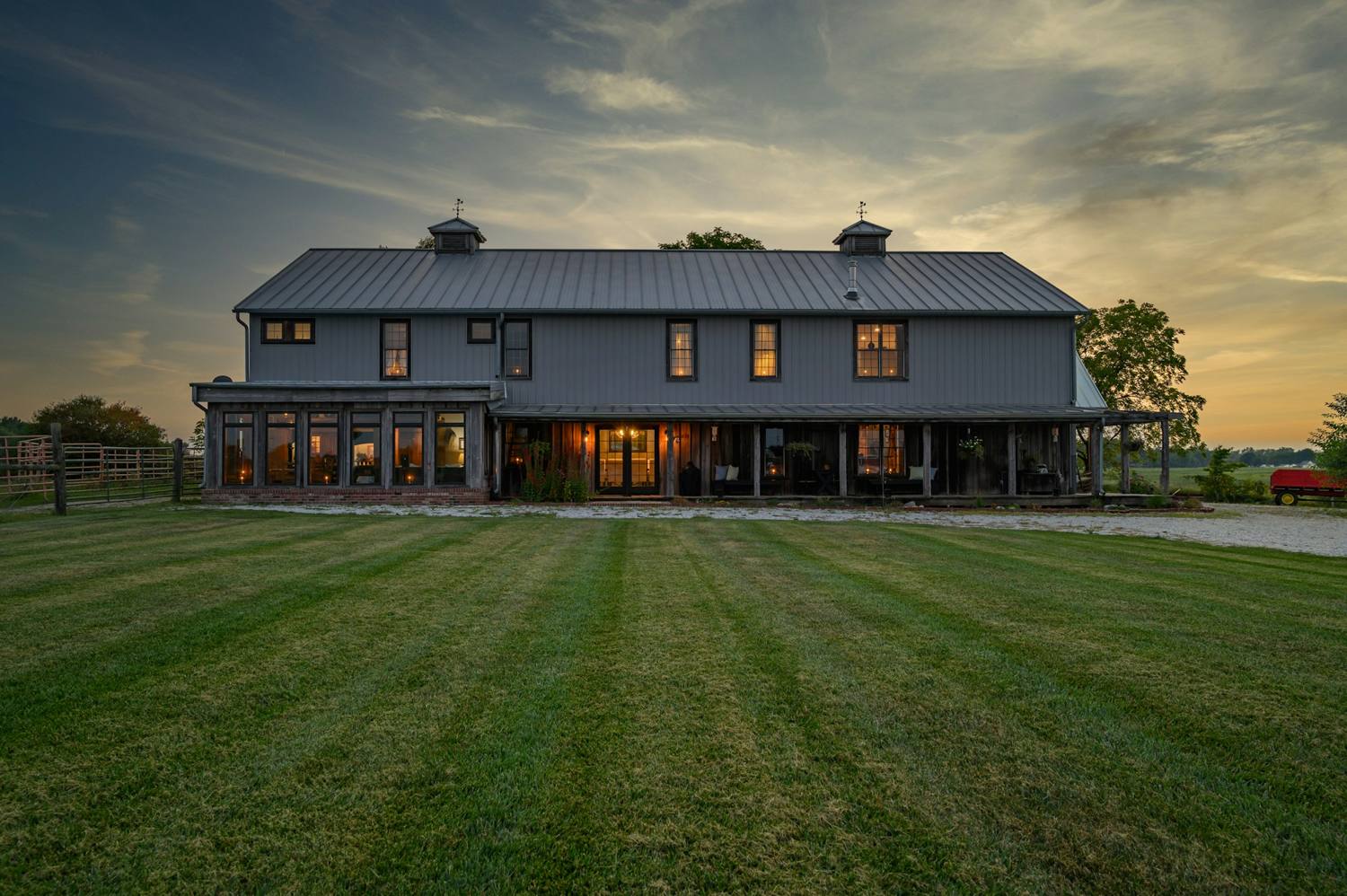
- Board-and-batten and lap profiles
How the job runs
Siding systems, step by step.
Quote
We measure the walls, count the openings, bring samples so you can see the profile and color on your own house, and write a fixed price.
Prep
We set staging, protect landscaping and windows, and pull the old siding one elevation at a time so the house is never open overnight.
Work
We repair sheathing, install housewrap and flashing at every opening, then hang the cladding and trim to the manufacturer's spacing and fastening details.
Finish
We caulk the joints, touch up the paint, and go around the house with you elevation by elevation before the final bill.
Questions
Straight answers.
Fiber cement versus vinyl, which lasts longer?
Fiber cement lasts longer and handles hail and string trimmers better, and it will not warp from a hot grill or a reflective window. Vinyl costs less up front, installs faster, and never needs painting. On a typical two-story here, fiber cement usually runs roughly 50 to 80 percent more installed.
Can you side over existing siding?
We do not recommend it. Going over the old material hides rot, adds thickness that ruins the trim reveals, and makes it impossible to flash the windows correctly. Tear-off is a small share of the cost and it is the part that lets us see the wall.
Do you replace the trim and soffits?
Usually yes, and we price it both ways. Wood trim, soffit, and fascia are where the rot is on most older homes here, and wrapping bad wood in aluminum only hides it. We will show you what is sound and what should come off.
How long does a full re-side take?
A typical single-family house runs about one to two weeks depending on size, the number of openings, and how much sheathing or trim has to be replaced. Weather moves that. We work one elevation at a time so the house is closed in every night.
Does new siding help with energy bills?
A little, and mostly because of what goes on behind it. New housewrap, sealed openings, and insulated backer board cut air leaks, which you feel more than you see on the bill. If efficiency is the real goal, attic insulation and air sealing buy more per dollar.
Related
Often done together.
Roofing
Full replacements, storm repairs, and flat roofs on homes and light commercial.
See details →Residential window installation
Replacement and new-construction windows, flashed and sealed so they stay dry.
See details →Exterior painting
Prep-heavy exterior painting and staining on siding, trim, brick, and decks.
See details →Waterproofing & flashing
Stop water where it gets in: walls, windows, roof-to-wall joints, decks, and foundations.
See details →