Outdoor & site
Decks
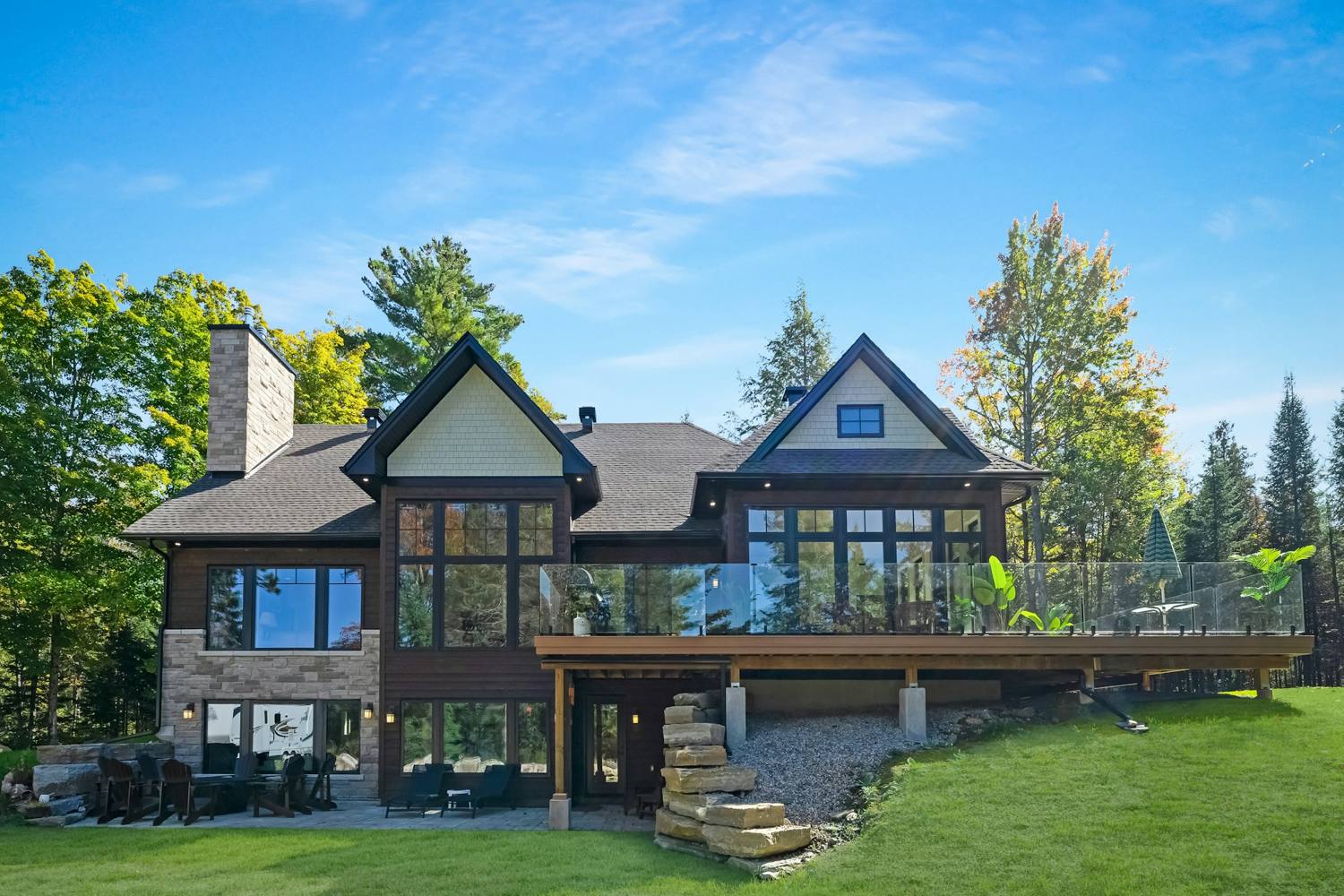
Composite and wood decks, covered porches, and railings built on proper footings.
A deck is a structure, and most of the failures that hurt people happen at the ledger where it meets the house. Bolted and flashed correctly it will outlast the decking, and nailed to the sheathing it rots the rim joist and eventually lets go. Footings have to go below our frost line so the deck does not heave through a St. Louis winter.
We handle the paperwork with the city or county and meet the inspector at the footing check and again at the final. The contract itemizes the structure separately from the surface, so you can see what the framing costs against what the decking costs. The lead carpenter who laid the deck out is the one who builds it.
The decision most people weigh is composite versus wood. It mostly comes down to what you want to be doing every spring and how long you plan to stay in the house.
What is included
- Design and layout
- Footings below frost depth with posts
- Framing with a flashed and bolted ledger
- Composite or wood decking
- Railings and guards
- Stairs and landings
- Deck lighting
- Sealing or staining of wood decks
Options
- Trex and TimberTech composite
- Cedar and treated wood
- Aluminum and cable railing
- Covered and screened porches
- Built-in benches and planters
How the job runs
Decks, step by step.
Quote
We measure the yard, talk through size, height, and material, and quote the framing, decking, and railing as one number.
Prep
We handle the paperwork with the city or county, call for utility locates, and lay out and dig the footings.
Work
We pour footings, set posts and beams, flash and bolt the ledger, frame the deck, and install decking, stairs, and railings.
Finish
Lighting goes in, wood gets sealed or stained, the yard is cleaned up, and the inspector signs the final.
Questions
Straight answers.
Composite or wood?
Composite costs more up front, usually 50 to 100 percent more installed, and you wash it instead of staining it every couple of years. Cedar and treated wood cost less and look good the first year, then ask for maintenance forever. If you plan to be in the house more than seven or eight years, composite usually wins on total cost.
How long does a deck take?
A typical 300 to 400 square foot deck takes about one to two weeks of build time once the footings pass inspection. The paperwork with the city or county takes one to three weeks before that, depending on the municipality. Covered porches and multi-level decks run longer.
Do you handle the paperwork with the city?
Yes. We submit the drawings, pay the fees as part of the contract, and meet the inspector for the footing check and the final. Every municipality in this area does it a little differently, and we deal with that so you do not have to.
How deep do footings go here?
Around 30 inches in most of the St. Louis area, below the frost line, and local requirements vary a bit on each side of the river. Diameter depends on how much load each post carries. Footings that stop short are why decks heave and railings rack out by year three.
Can you rebuild on my existing frame?
Sometimes, and we will not guess about it. We check the ledger, the footings, the joists, and the fasteners, and if the frame is sound, new decking and railing on old framing is good value. If the ledger was nailed instead of bolted and flashed, which is common on decks older than about twenty years, the frame comes off.
Related
Often done together.
Concrete work
Driveways, patios, sidewalks, slabs, and steps, poured to last through freeze-thaw.
See details →Retaining walls
Block, stone, and timber retaining walls with real drainage behind them.
See details →Exterior painting
Prep-heavy exterior painting and staining on siding, trim, brick, and decks.
See details →Structural carpentry
Beams, posts, joists, and repairs to what holds the house up.
See details →