Interior remodeling
Drywall & mudding
New drywall, repairs, and smooth finishes that disappear under paint.
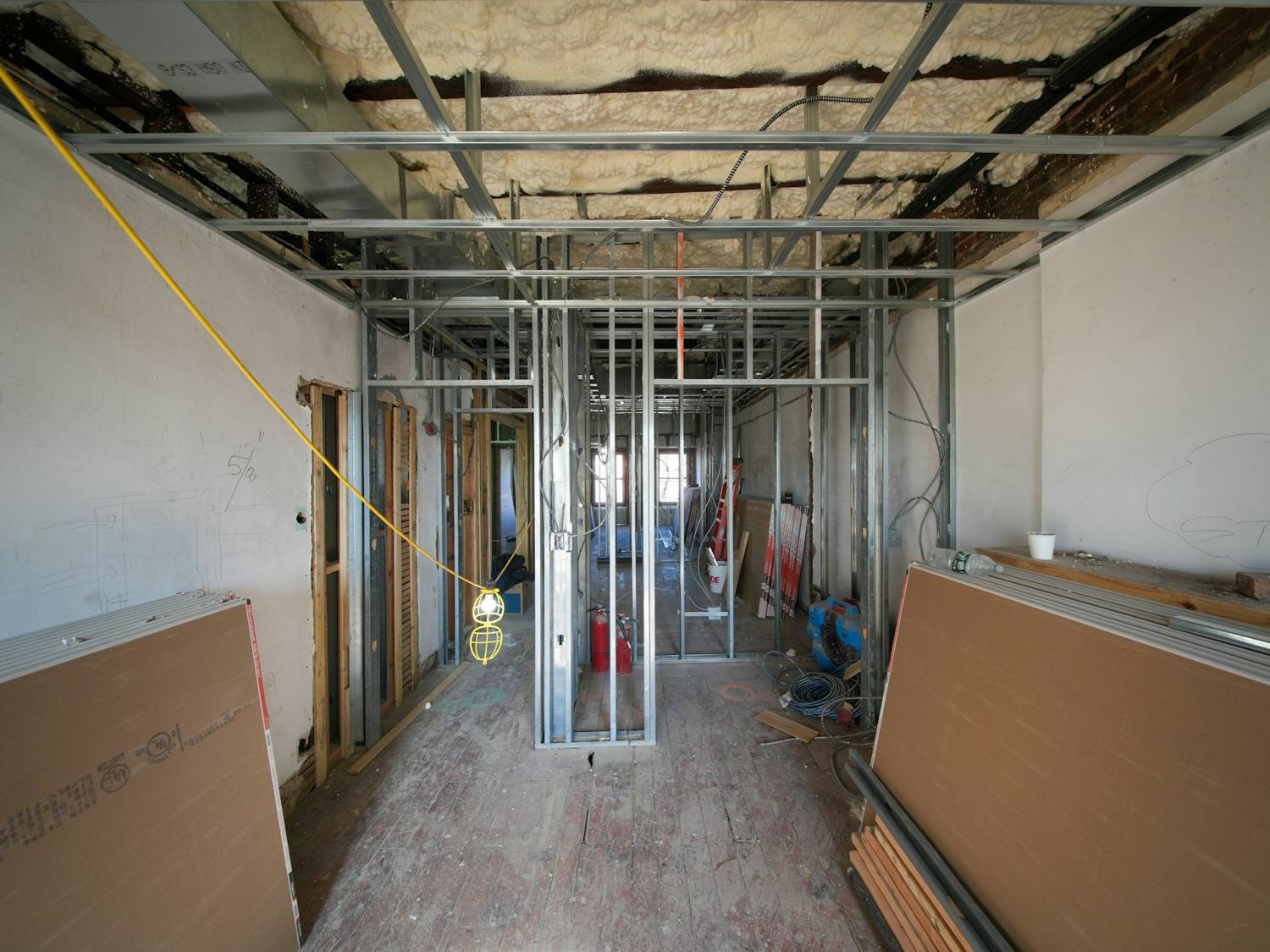
Good drywall work is invisible. You only notice it when a seam shows under a window on a sunny afternoon or a patch sits proud of the wall. The finish level and the sanding decide that, not how fast the board goes up.
One contract, one crew lead, and a written scope that says what finish level you are getting and whether we are matching an existing texture. We hang, tape, three-coat, and sand, then light the wall from the side to check it before we call it ready for paint.
If the damage came from water, the source gets found and fixed first. Replacing wet board without stopping the leak just gives the stain a fresh surface.
What is included
- Hanging of new board
- Taping and three-coat mudding
- Sanding with dust control
- Texture matching or smooth finish
- Water-damage cutout and replacement
- Ceiling repair
- Ready-for-paint handoff
Options
- Level 5 smooth finish
- Knockdown and orange-peel texture
- Moisture-resistant board for baths
- Soundproofing board
- Popcorn ceiling removal
How the job runs
Drywall & mudding, step by step.
Quote
We look at the area, confirm the texture and finish level you want, and quote the hang, the finish, and any repair separately.
Prep
We protect floors and adjoining rooms with containment, cut out the damaged board, and check the framing and moisture behind it.
Work
We hang, tape, and apply three coats of mud, letting each coat dry before the next one goes on.
Finish
We sand, match the texture, vacuum the dust, and put a light across the wall so you can see what the paint will see.
Questions
Straight answers.
Can you match my existing texture?
Usually. Knockdown, orange peel, and most hand textures can be matched closely, and we practice on a scrap board and hold it against your wall first. Old hand-troweled plaster and heavy stomp ceilings are the hard ones, and there we will tell you up front when a full-wall skim will look better than a patch.
How long does mud take to dry between coats?
Standard mud wants about 24 hours per coat in a heated house, less if we run a setting compound for the first coat. Humid summer air and cold basements slow it down. A three-coat wall is realistically three to four days before sanding, and rushing it is how you get cracks later.
Do you do small patches?
Yes. Door dings, a hole a plumber left in the ceiling, and cracked corner bead are regular calls and usually a half-day. There is a minimum charge for a small trip, and we tell you that number before we come out.
How do you handle water-damaged drywall?
We find the source first and either fix it or tell you what has to be fixed before anything gets closed up. Then we cut the wet board back well past the stain line, check the insulation and framing behind it, let it dry, and replace. Painting over a water stain without that step just moves the problem to next spring.
Do you paint too?
Yes, we can carry it straight from mud to finish coat, which usually costs less than bringing in a second crew. If you would rather paint it yourself, we leave it sanded, vacuumed, and primed. Say which one you want in the quote so the scope is clear.
Related